
What Eating Like a Local Really Looks Like When You Move Abroad
You do not start eating like a local the day you land. You start when hunger, routine, money, and curiosity finally meet in the same kitchen.
It starts with routine, not with the postcard version of local food

Most people imagine “eating like a local” as a parade of famous dishes: ramen in Tokyo, tacos in Mexico City, pasta in Bologna. Real life abroad is less cinematic and far more repetitive. It is breakfast before the train, the cheap lunch near work, the emergency grocery run at 8:40 p.m., and the snack everyone in your neighborhood seems to buy without thinking. In practice, local eating begins when food stops being an attraction and becomes infrastructure.
That shift matters because relocation changes behavior faster than taste. A scoping review of food intake after physical relocation found that moving into environments with more convenience stores, cafés, and restaurants often pushes people toward more unhealthy convenience eating, especially when daily patterns become rushed or fragmented. Research on international students in South Korea found declines in breakfast regularity and increases in fast food, processed foods, and late-night eating after the move. The lesson is blunt: your new food environment often rewires you before your preferences fully catch up.
This is why the first months abroad are rarely a clean conversion to the host country’s cuisine. People often oscillate between comfort food, novelty, and pure convenience. Studies on dietary acculturation among migrants repeatedly show that food change is dynamic rather than linear; people keep some traditional foods, drop others, and add new ones unevenly. A 2024 paper on immigrant food choices during resettlement in the United States makes a similar point: the “traditional diet” before migration is not always preserved, and what changes depends on cost, access, work schedules, gender roles, and the region where someone settles.
So what does eating locally actually look like? It often means learning the ordinary calendar of a place. In Spain, lunch may still carry more social and culinary weight than dinner. In parts of East and Southeast Asia, neighborhood bakeries, noodle shops, and convenience stores can function as practical daily food systems, not occasional treats. In France or Italy, many newcomers discover that the market, the bakery, and the supermarket each play different roles, and that buying food well requires timing as much as taste. You are not merely learning dishes. You are learning the local choreography of when people shop, where they compromise, and which foods belong to weekdays rather than fantasy itineraries.
The real education happens in supermarkets, markets, and other people’s homes
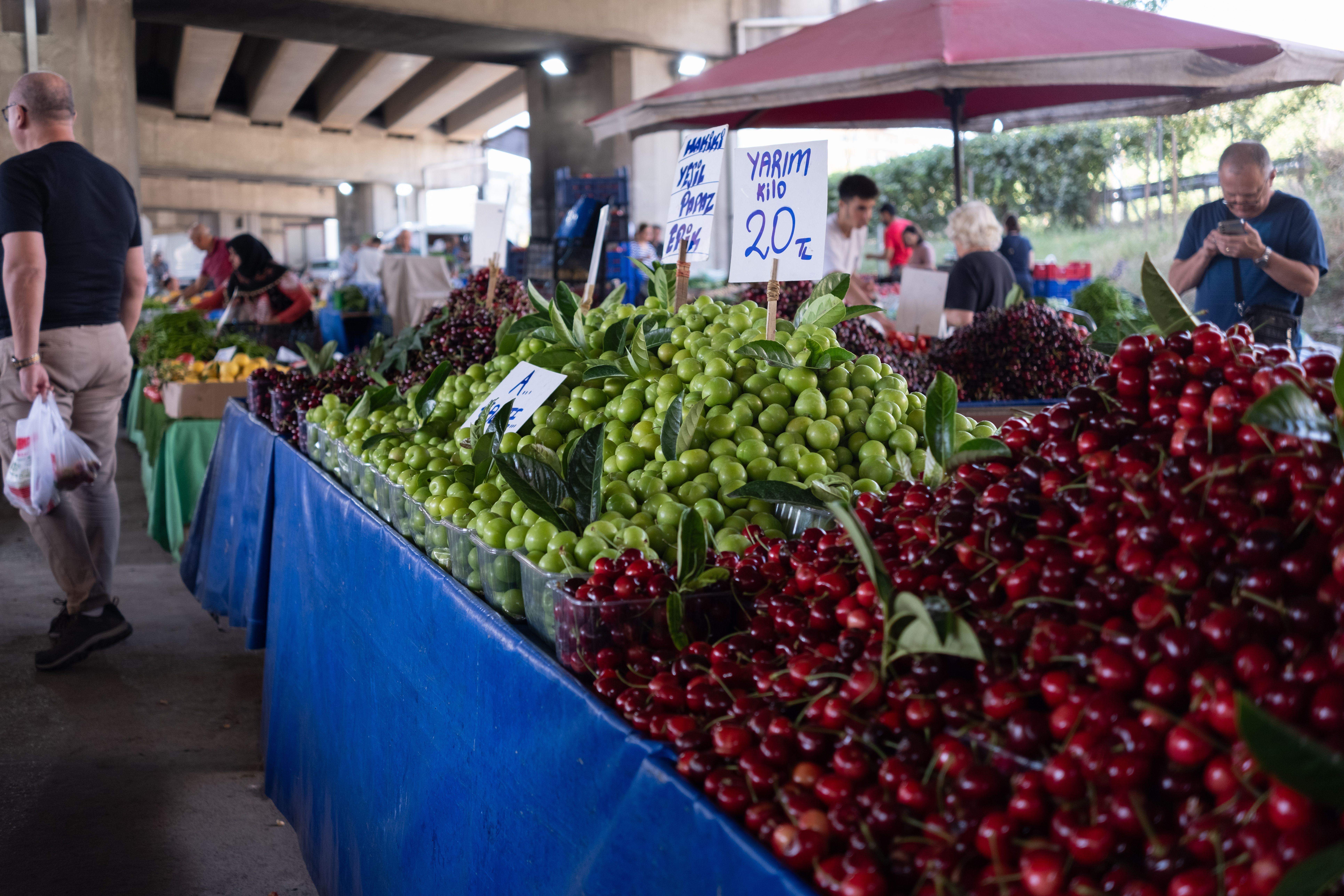
If you want to know how a place truly eats, skip the top-ten restaurant list for a moment and study the shopping basket. Supermarkets reveal what people buy on ordinary Tuesdays, what counts as affordable protein, how much shelf space goes to yogurt versus soda, and whether dinner begins with scratch cooking or semi-prepared shortcuts. Open-air markets tell a different story: seasonality, bargaining habits, local varieties, and the ingredients that still carry regional identity. Together, they show the constant negotiation between heritage and convenience that defines modern local eating almost everywhere.
This is where newcomers often discover that “local food” is not automatically healthier, cheaper, or more traditional than expected. Research on migrants in Saudi Arabia found a mixed pattern: people improved some behaviors, such as fruit intake and looking for low-fat options, while also increasing sugary foods, fried items, and sweetened drinks in the early years after migration. Other studies have shown similar dual tracks, where awareness improves faster than practice. In other words, eating like a local can mean adopting good habits, but it can also mean inheriting the local shortcuts, pressures, and indulgences.
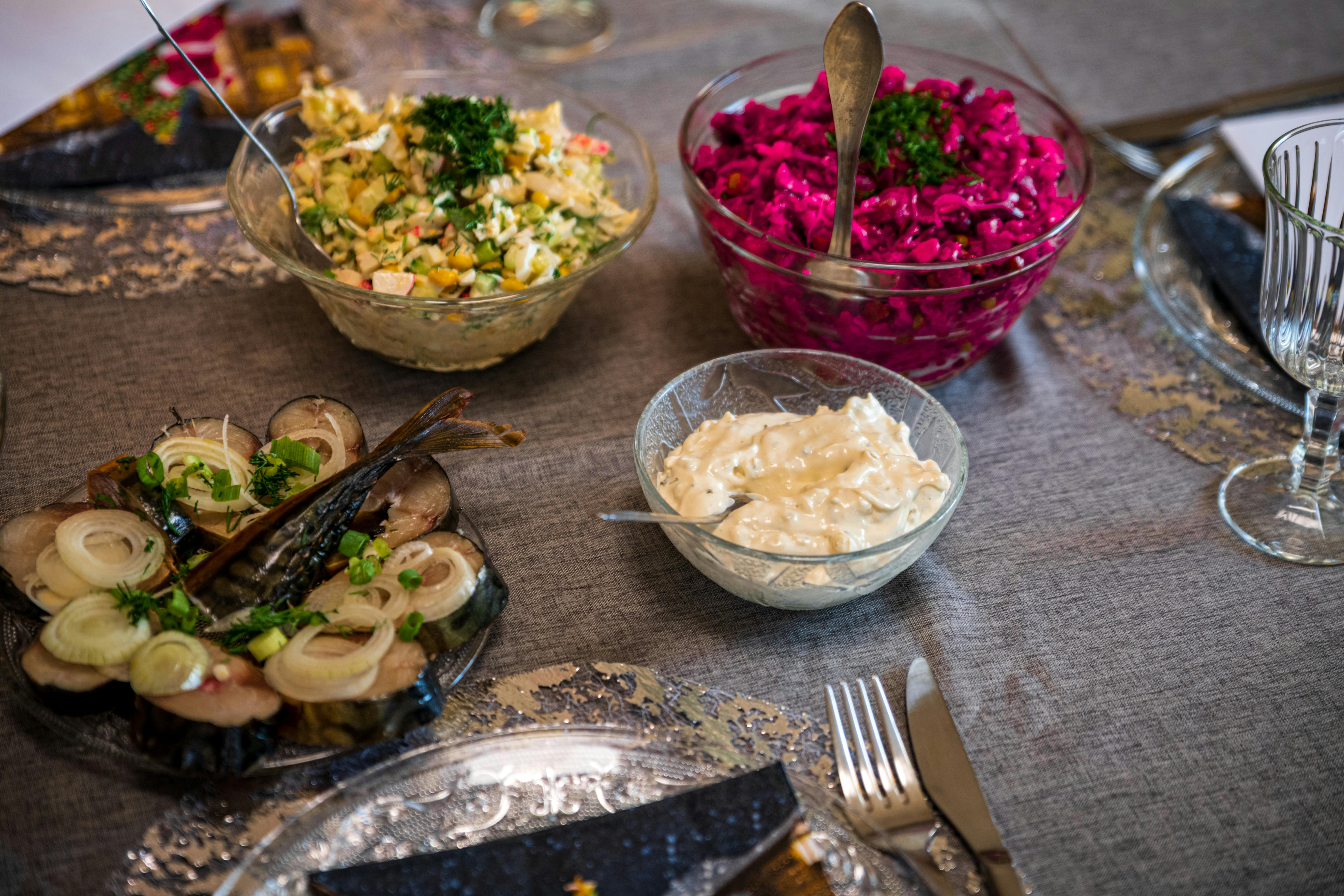
Home kitchens teach even more than stores do. The fastest way to understand a food culture is to eat in someone’s apartment, not just in their favorite restaurant. There you see portion size, meal timing, condiment habits, leftover strategies, and the invisible labor around food. You learn whether vegetables are built into dinner or added symbolically, whether soup is a full meal or a prelude, whether guests are expected to eat more than they want, and whether dessert is ritual, option, or rare event. These details are the grammar of local eating.
Global institutions that track gastronomy and tourism often emphasize the same broader truth: food carries culture, community, and heritage, not just flavor. UN Tourism describes gastronomy as a vehicle for understanding cultures and strengthening local communities, and OECD work on food and tourism has long noted how deeply food ties into local development and identity. But once you move abroad, that grand idea becomes domestic and specific. It is the neighbor telling you which tomatoes are worth buying in March, the colleague explaining why everyone stocks a certain broth cube, and the friend who laughs kindly when you serve the wrong dish at the wrong hour.
Eating like a local is really about balance, belonging, and selective adaptation
The healthiest long-term approach is usually not total assimilation or total preservation. Migration research consistently suggests that food adaptation works best when people integrate rather than erase: keeping meaningful parts of their own food culture while building real competence in the host country’s eating patterns. Studies on acculturation and well-being have linked better integration with stronger life satisfaction, while weak connection to the host culture can be associated with more troubled eating patterns. Food is rarely the only reason, but it is one of the clearest daily expressions of whether life abroad feels open or defensive.
That is why successful eaters abroad build a hybrid system. They learn two or three affordable local meals they genuinely like, identify one reliable market or grocer, understand the default staples of the place, and keep a small emotional pantry from home. They stop measuring authenticity by how many iconic dishes they have tried and start measuring fluency by whether they can feed themselves well on a Wednesday. They also learn the social side of refusal and participation: when to accept the offered dish, when dietary needs must be stated plainly, and when bringing your own food reads as practical rather than rude.
There is also a class dimension people ignore. “Eating local” can sound romantic, but it is shaped by rent, transport, work hours, and neighborhood access. The relocation literature shows that the surrounding mix of food outlets influences diet quality, and access to transport can improve the ability to buy better food. A newcomer living near small specialty markets may cook beautifully; another in a transit-poor outer district may lean hard on packaged food and delivery. Both are responding to local reality. Authenticity without material context is just performance.
In the end, eating like a local is less about becoming someone else than becoming legible where you live. It means you know what people eat when they are busy, broke, celebrating, sick, hosting, grieving, or simply too tired to cook. It means you can read a menu, a market stall, and a dinner invitation with something close to instinct. And it means your new life has entered your body in the most ordinary way possible: one habitual meal at a time.