9 Travel Spots People Say They’d Skip Next Time
Travel industry analysts and consumer behavior psychologists report that destination disappointment is a growing phenomenon in the age of digital oversaturation. While social media platforms often present curated and filtered versions of global landmarks, the on-the-ground reality frequently involves aggressive commercialization, unmanageable crowds, and infrastructure that struggles to support mass tourism. Experts emphasize that the disparity between expectation and reality can lead to significant traveler fatigue where the logistical stress of visiting a site outweighs the cultural value.
Urban planners and heritage site managers note that many of these locations suffer from their own popularity. When a site reaches its carrying capacity, the visitor experience degrades significantly and is replaced by long queues and managed pathways that prevent authentic engagement. Understanding which locations are most prone to this tourist trap effect allows travelers to adjust their itineraries or seek out less congested alternatives that offer a more genuine glimpse into local history and culture.
The Hollywood Walk Of Fame In California
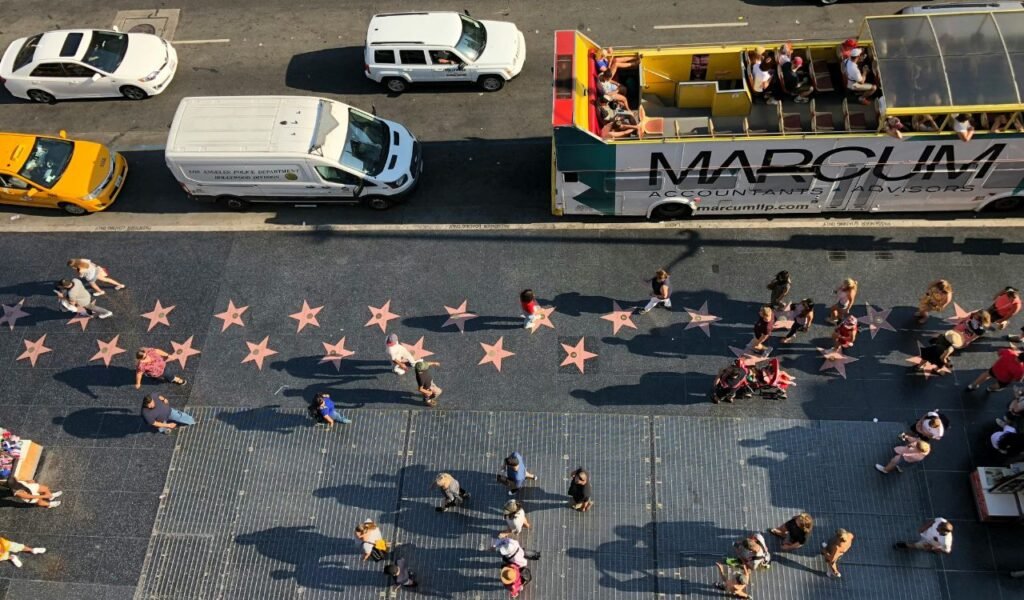
Urban planners and local tour operators frequently identify the Walk of Fame as a primary source of visitor disillusionment in Los Angeles. The stretch of Hollywood Boulevard housing the famous brass stars is a functioning city street that often struggles with cleanliness and congestion. Visitors expecting a red-carpet atmosphere encounter a gritty sidewalk crowded with aggressive costumed characters and souvenir vendors rather than the glamour of the film industry.
City officials have attempted various revitalization projects but the area remains a focal point for noise pollution and heavy pedestrian traffic. The stars themselves are often obscured by the sheer volume of people making it difficult to find specific honorees without constant maneuvering. Industry insiders suggest that those seeking the golden age of cinema are better served by visiting studio museums or the Academy Museum where the environment is curated to reflect the prestige of Hollywood history.
Times Square In New York
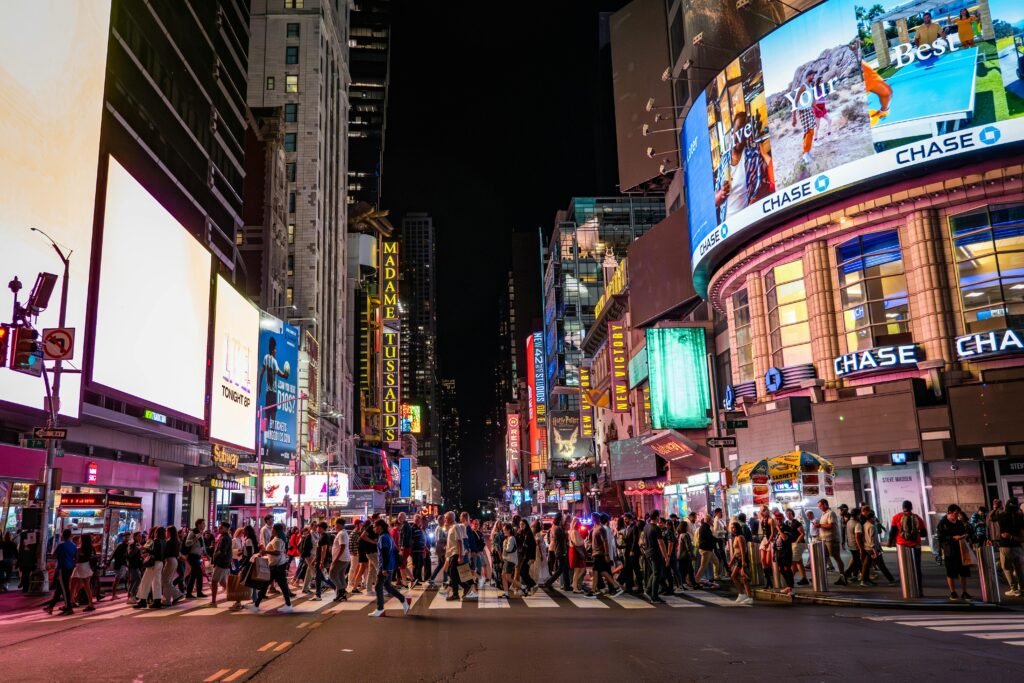
Real estate analysts and urban sociologists observe that Times Square has transformed into a commercial hub dominated by global chain stores rather than a center of authentic New York culture. The sensory overload of the massive digital billboards and the density of the crowds can trigger anxiety rather than excitement. Locals famously avoid the area which leaves it as a zone populated almost entirely by tourists and marketers soliciting attention.
Retail experts point out that the shops and restaurants found here are largely identical to those in suburban malls across America offering little in the way of unique merchandise or culinary excellence. The area functions efficiently as an advertising platform but often fails to deliver the artistic energy that defines the rest of Manhattan. Travelers seeking the vibrant street life of the city often find more authenticity in neighborhoods like the West Village or the Lower East Side.
The Mona Lisa In France
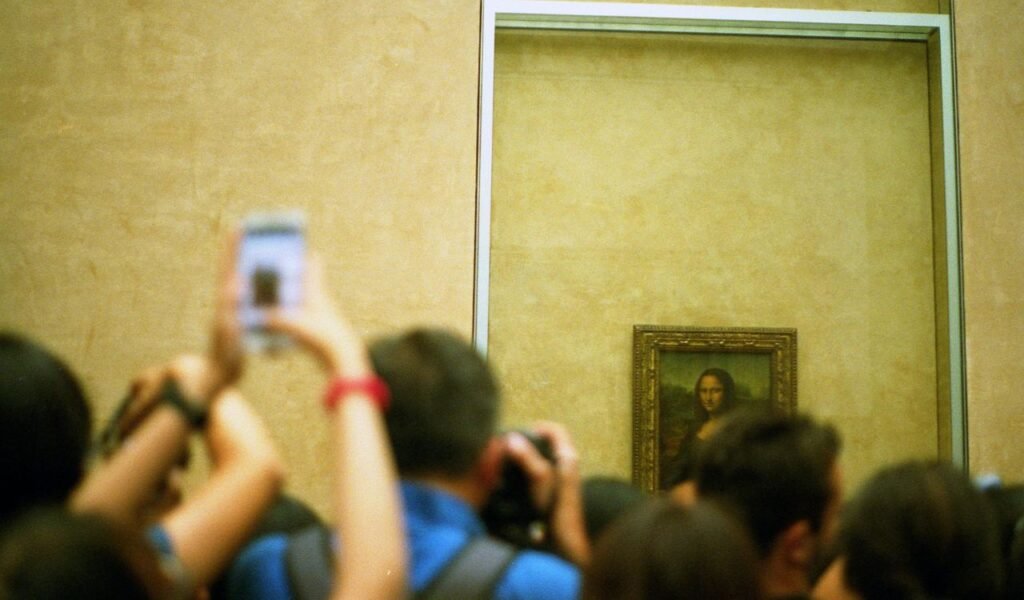
Art historians and museum curators at the Louvre struggle to manage the massive influx of visitors whose sole objective is to see the masterpiece by Da Vinci. The painting itself is relatively small and is protected by a thick layer of bulletproof glass that reflects the camera flashes of the crowd. Security protocols mandate a significant distance between the artwork and the public meaning that most viewers see only a small and distant rectangle rather than the intricate brushwork described in textbooks.
Crowd control experts describe the room housing the painting as a bottleneck where the atmosphere is more akin to a crowded subway platform than an art gallery. The pressure to take a photo and move on creates a conveyor belt experience that leaves little room for artistic appreciation. Museum educators often direct serious art lovers to the other vast wings of the Louvre where masterpieces by Raphael and Vermeer can be viewed in relative solitude.
Stonehenge In The United Kingdom
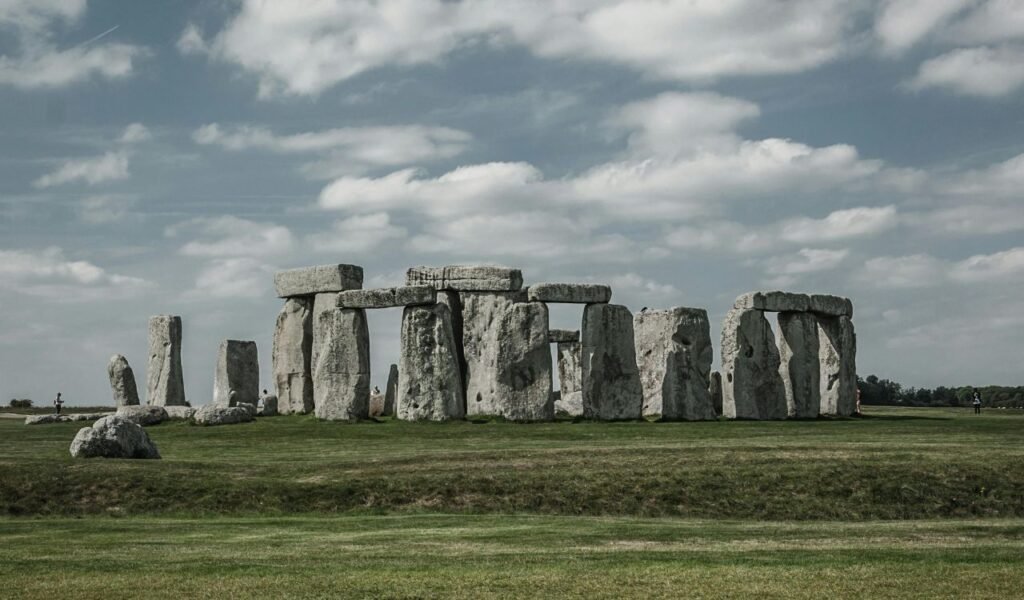
Heritage managers and conservationists have restricted access to the stones to protect them from erosion and vandalism meaning visitors must view the monument from a designated path. While necessary for preservation this separation creates a sense of detachment that many find underwhelming. The stones often appear smaller from a distance than they do in documentaries and the strict roping prevents the tactile connection that visitors in previous decades enjoyed.
Traffic engineers note that the site is bordered by a major highway that is notoriously prone to traffic jams. The drone of trucks and cars is a constant auditory backdrop that undermines the prehistoric mystique of the site. Visitors expecting a quiet atmosphere are often met with the sounds of modern logistics. Experts suggest that visiting lesser-known stone circles like Avebury allows for a more intimate and quiet interaction with Neolithic history.
The Leaning Tower Of Pisa In Italy
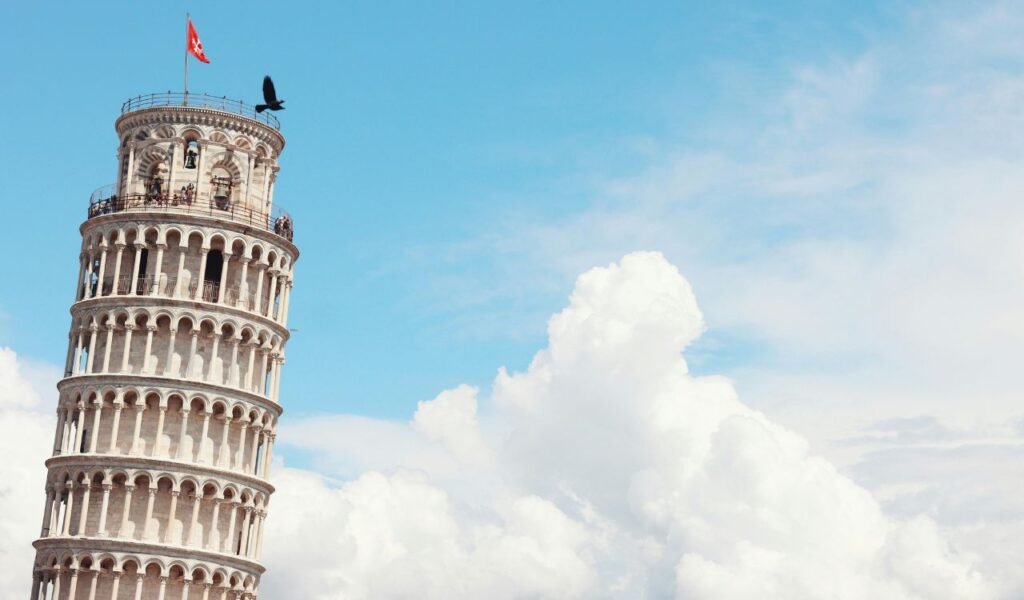
Architectural historians and travel consultants frequently describe the Field of Miracles in Pisa as a one-dimensional destination that lacks broader cultural context. The tower itself is an architectural marvel but the surrounding area is almost entirely dedicated to souvenir stalls and tourists posing for forced perspective photographs. Urban planners note that once the obligatory photo is taken there is surprisingly little else to engage the visitor in the immediate vicinity.
The climb to the top of the tower is expensive and often requires booking weeks in advance due to strict capacity limits. Structural engineers monitor the lean closely but the experience inside is cramped and dizzying for many. Travelers often report that the site feels disconnected from the rest of the city serving as an isolated tourist island rather than an integrated part of the Tuscan experience.
Dubai In The United Arab Emirates
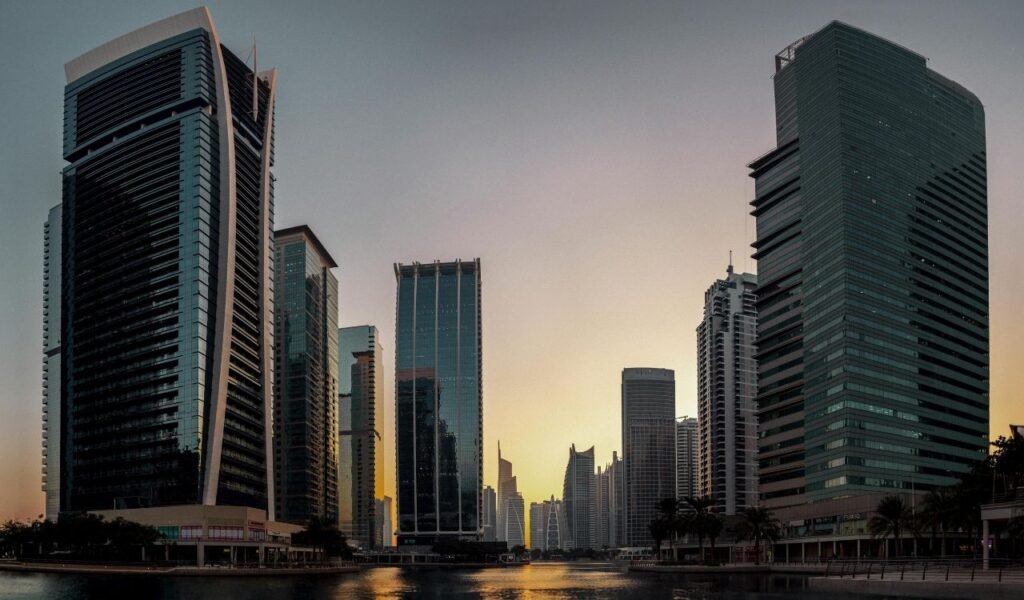
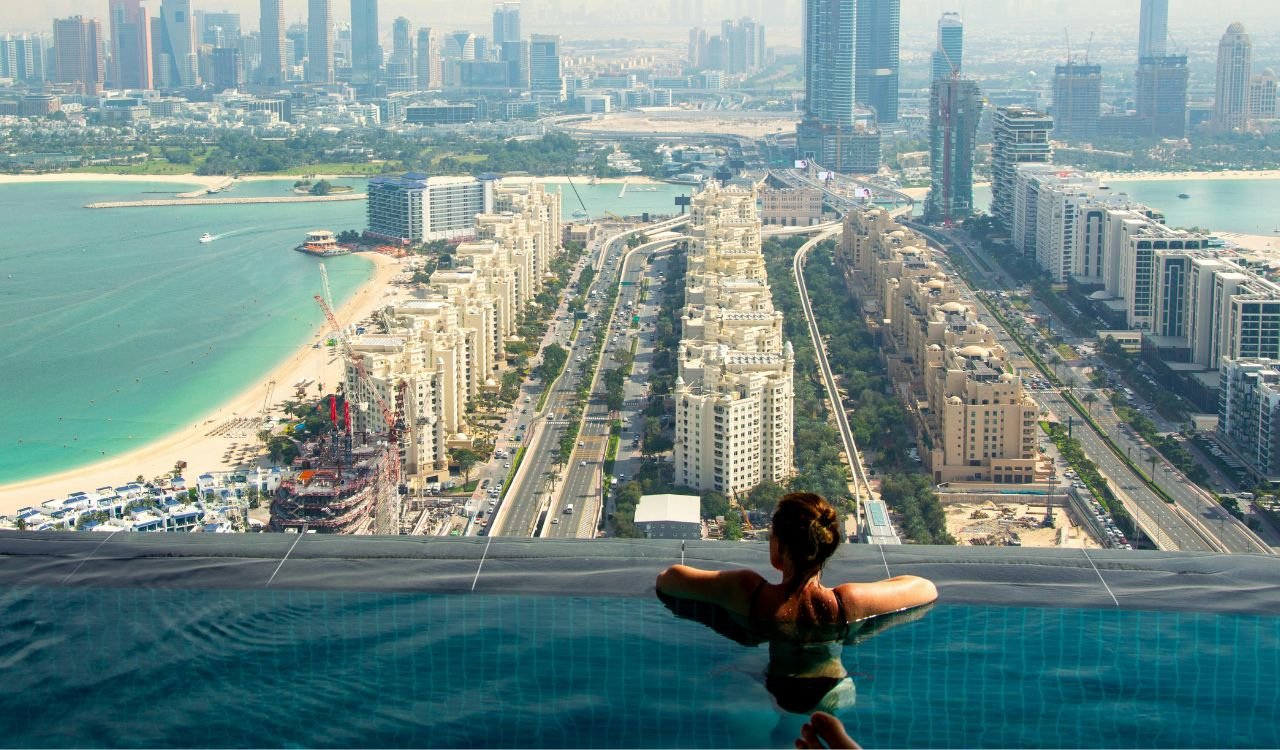
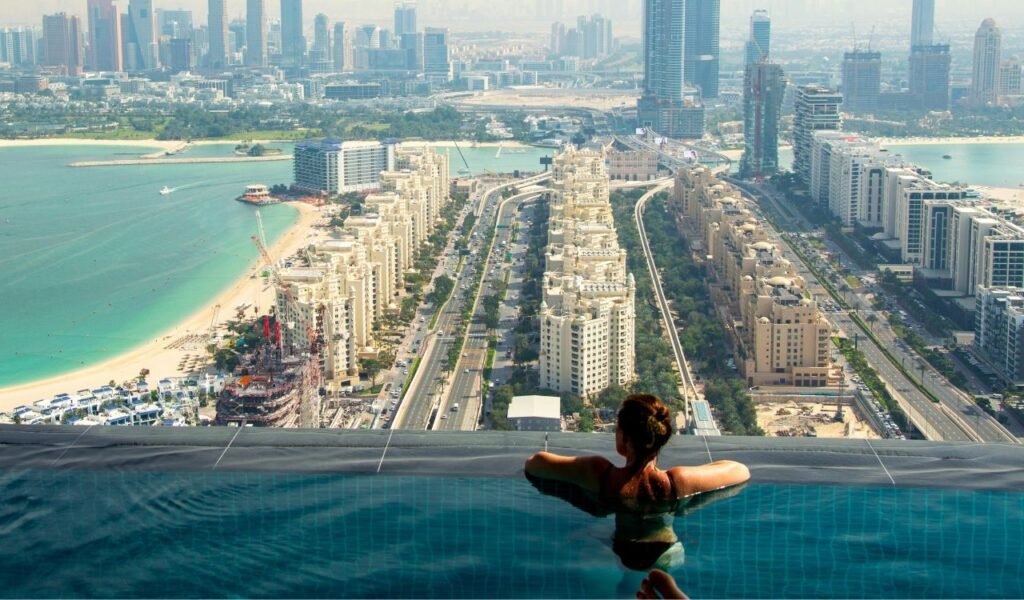
Urban critics and sustainability experts often characterize Dubai as a city of superlatives that can feel sterile and artificial to the average traveler. The reliance on air-conditioned malls and private transport creates a barrier to organic exploration. Architects note that the skyline is impressive but the lack of a walkable street level makes it difficult to connect with any sense of local culture or history outside of the designated heritage districts.
Climate researchers highlight that the extreme heat for much of the year forces life indoors which limits the potential for outdoor leisure. The cost of living and tourism activities is among the highest in the world which can lead to value-for-money complaints. Visitors seeking a traditional Arabian experience often find that the glitz of the skyscrapers overshadows the authentic Bedouin heritage they hoped to discover.
Santorini In Greece
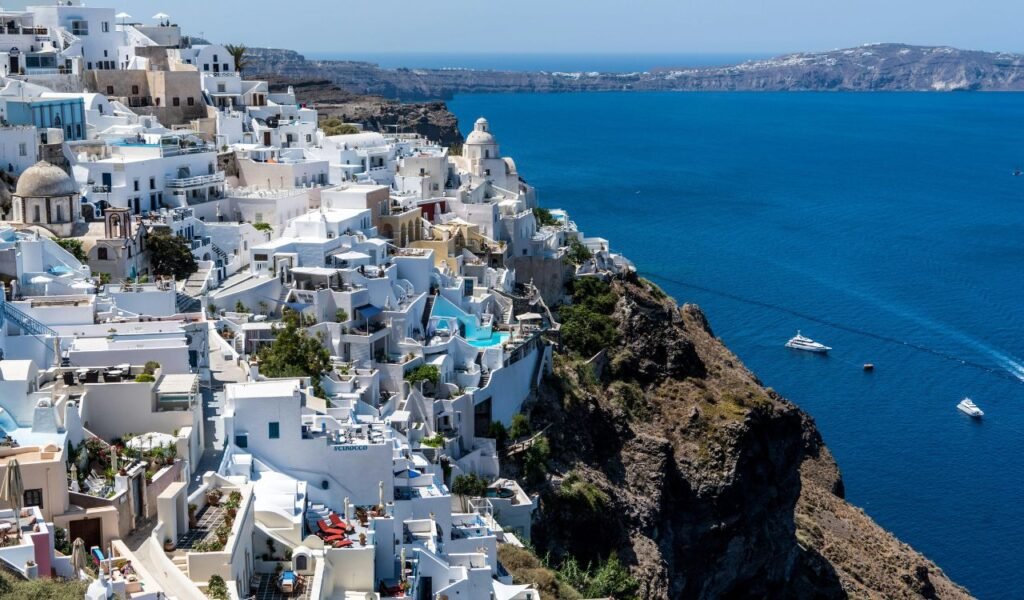
Destination management organizations and Greek tourism officials report that the sunset ritual in Oia has become a logistical nightmare due to overcrowding. The narrow pathways of the cliffside village are not designed to hold the thousands of visitors who descend upon the town every evening. The jostling for position to capture the perfect photo of the caldera creates a tense and aggressive atmosphere that is the antithesis of a relaxing island vacation.
Cruise ship schedules exacerbate the problem by dumping massive numbers of passengers into the town specifically for this window of time. The result is a gridlock where movement is impossible and the beauty of the landscape is obscured by a sea of recording devices. Travel experts suggest viewing the sunset from other parts of the caldera rim or from a boat where the view remains spectacular without the crushing density of the crowd.
Venice In Summer In Italy
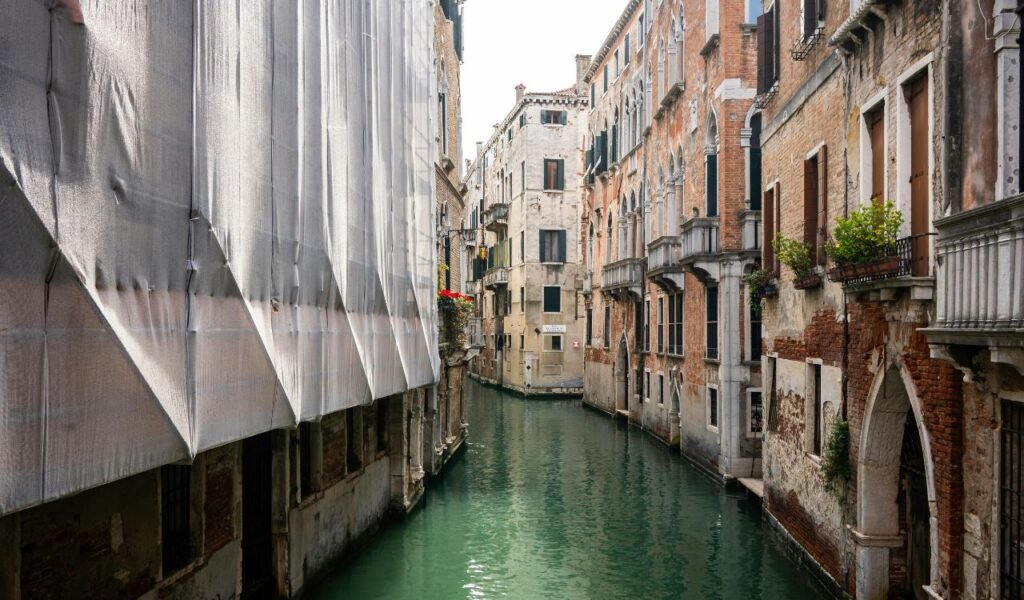
Environmental scientists and urban planners warn that visiting Venice during the peak summer months creates a perfect storm of unpleasant conditions. The combination of high heat and humidity can exacerbate the odors rising from the canals which struggle to flush out waste during low tides. The narrow streets and bridges become impassable bottlenecks due to the sheer volume of day-trippers and cruise ship passengers.
Hospitality consultants note that the price of food and accommodation skyrockets during this season often for subpar service and quality. The magic of the floating city is frequently lost amidst the sweat and friction of the crowd. Travel experts universally agree that the city is best experienced in the shoulder seasons or winter when the fog rolls in and the streets empty out restoring the melancholic beauty that defines its history.
Niagara Falls In New York
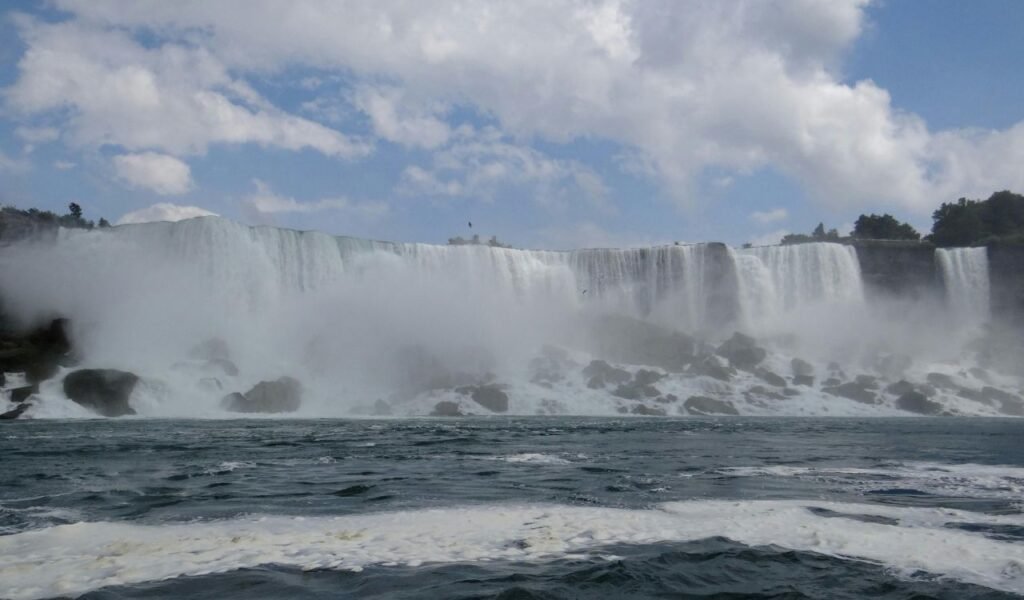
Urban developers and landscape architects critique the American side of Niagara Falls for the excessive commercial development that surrounds the natural wonder. The immediate vicinity is dominated by casinos and wax museums that create a carnival atmosphere distracting from the grandeur of the falls. Conservationists note that the view from the American side is often considered inferior to the panoramic perspective offered by the Canadian side.
The juxtaposition of one of the world’s great natural spectacles with aged tourist infrastructure can feel jarring. While the parkland immediately adjacent to the water is protected the transition to the neon-lit tourist strip is abrupt. Experts recommend focusing on the Maid of the Mist boat tour or the Cave of the Winds to engage directly with the power of the water and ignore the commercial clutter on the clifftop.